


Toyota trucks and SUVs sit tall, and that height is part of the appeal off the pavement. On pavement, in a parking lot, or at the end of a long day, that same ride height can turn a simple step into the cab into a small chore. This is why so many owners look into Toyota running boards as one of the first upgrades they add to a new truck.
For 2026, Toyota is leaning further into this idea itself. The redesigned Tundra now offers factory power running boards on Platinum and 1794 TRD Off Road Package models, a sign of how mainstream the accessory has become. Meanwhile, the Tacoma continues its run as America's best selling midsize pickup, and both trucks share the same TNGA-F platform as the 4Runner. Whether your Toyota came with steps from the factory or not, aftermarket running boards remain one of the most practical upgrades available.
This guide breaks down what running boards actually do, how they differ from side steps and nerf bars, and what to look for on a Tacoma, Tundra, or 4Runner specifically. Key points covered below include:
- What running boards do and why so many Toyota owners add them
- The real differences between running boards, side steps, and nerf bars
- Model specific advice for the Tacoma, Tundra, and 4Runner
- Materials, mounting styles, and what to check before you buy
- A simple overview of the installation process
Why Toyota Owners Choose Running Boards
Running boards solve a handful of everyday problems at once, and most owners only realize how many once they have a set installed.
The most obvious benefit is easier entry and exit. Kids, older passengers, and anyone in a dress or heels benefit from a wide, stable step rather than a long reach up into the cab. But the usefulness goes beyond getting in and out of the doors:
- Loading and reaching gear on a roof rack without climbing on the tire or bumper
- Adjusting a rooftop tent, solar panel, or roof light during a camping trip
- Reaching the windshield and roof for a proper wash and detail
- Adding a layer of nerf bar style protection along the lower doors, which helps guard against dings from curbs, trailheads, and tight parking spots
- Giving the Toyoma a more finished, intentional look
For Tacoma and 4Runner owners headed toward overlanding and weekend camping, or Tundra owners loading a bed full of gear, that combination of access and protection is hard to replace with any other single accessory. We cover this in more detail in a guide to what running boards are and how they compare across vehicle types.
Running Boards, Side Steps, and Nerf Bars: Know the Difference
These three terms get used interchangeably, but they describe different products with different strengths.
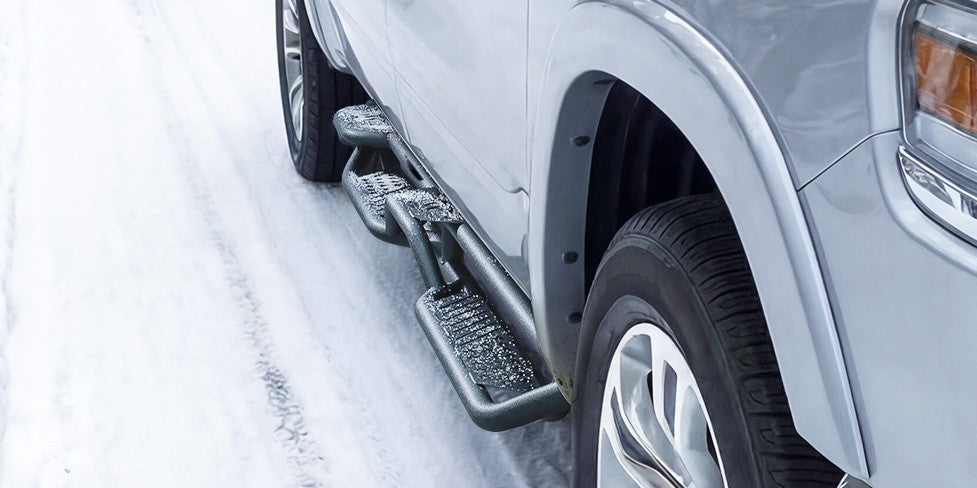
Running boards use a flat, wide platform that runs most of the length of the cab, giving multiple passengers a full, stable surface to step on. Side steps and nerf bars, by contrast, use a round or oval tube with individual pads positioned at each door. They sit closer to the body and lean toward a rugged look rather than maximum stepping surface. JOYTUTUS breaks this comparison down further in this guide on running boards vs side steps.
|
Feature |
Running Boards |
Side Steps / Nerf Bars |
|
Step surface |
Wide, flat, full length |
Narrow, individual pads per door |
|
Look |
Clean, factory style |
Rugged, tubular |
|
Best for |
Families, frequent passengers |
Off-road styling, lighter builds |
|
Bed access |
Available in wheel to wheel length |
Depends on tube length |
|
Typical material |
Steel or aluminum with a textured surface |
Steel tubing, often powder coated |
Both styles can also work as a nerf bar, adding a buffer that helps protect the lower door panels from scrapes.
Toyota Tacoma Running Boards
The Tacoma's ground clearance is one of its best trail features and one of its more common everyday complaints. Toyota Tacoma running boards address that gap directly, and they remain one of the most searched accessories among Tacoma owners for good reason.
What to Look for in Tacoma Side Steps
Because Tacomas are a popular overlanding platform, Tacoma side steps need to hold up to more than a paved driveway. When comparing running boards for Toyota Tacoma trucks, prioritize:
- Corrosion-resistant construction that can handle mud, snow, and road salt
- A textured, slip-resistant step surface for wet boots and gloved hands
- A weight rating that comfortably covers passengers and loaded gear
- Wheel-to-wheel length if you regularly load or check items in the bed
- A no drill, bolt-on installation that uses factory mounting points

Toyota Tacoma side steps that check these boxes tend to earn their keep quickly, whether the truck is a daily commuter or a dedicated camping rig. JOYTUTUS running boards for the Tacoma are coming soon and will bring the same dual tier step design and corrosion protection used across the rest of the lineup. In the meantime, owners can browse the full JOYTUTUS running boards collection for other truck-ready accessories and read more in the dedicated guide to Tacoma running boards and truck running boards.
Toyota Tundra Running Boards
The Tundra's size makes the case for running boards even more obvious. With Toyota now offering power running boards as a factory option on select 2026 Tundra trims, it is clear how much demand exists for this upgrade on the full-size truck.
For owners who did not get the factory option or who want a sturdier fixed alternative, aftermarket Toyota Tundra running boards remain a straightforward and affordable fix. A wide, wheel to wheel board gives easy access to both rows of doors and a stable platform for reaching into the bed, which matters on a truck this tall. Fixed boards also skip the wiring and moving parts that come with a powered system, trading some convenience for simplicity and a lower price. For Tundra owners weighing the two options, the JOYTUTUS guide on power vs. fixed running boards walks through the tradeoffs in more detail.
Toyota 4Runner Running Boards
4Runner owners tend to fall into two groups: daily drivers who want easier entry and overlanding enthusiasts who use the truck for weekend trips and extended camping. Both groups benefit from 4Runner running boards, just for slightly different reasons.
For daily use, Toyota 4Runner running boards make the tall step height far less noticeable, especially for kids or aging parents. For overlanding builds, a solid set of steps also doubles as a work platform. Reaching a rooftop tent, adjusting a roof rack awning, or grabbing gear off the top of the SUV all become easier and safer with a wide step underfoot instead of a wheel or bumper.
Because many 4Runner owners run rooftop tents and rooftop cargo boxes, a dual tier step design that offers both a low entry step and a higher reach point tends to work best for this crowd.
Choosing the Right Running Boards for Your Truck
Once you know which style fits your use case, a few practical details separate a good set of running boards from one that will need replacing in a couple of years.
Material matters most. Reinforced steel offers the best strength to weight balance for a daily driver, especially with a multi-layer coating that resists rust. Aluminum trims some weight but usually costs more for the same strength. Whatever the material, check the weight rating against how the truck actually gets used, not just the empty step, since loaded gear and multiple passengers add up quickly.
Mounting style is the other major factor. Boards that bolt directly into existing factory holes install faster and avoid any drilling into the frame or body. This is the approach used across most JOYTUTUS running boards, which are engineered for specific car models rather than sold as a generic universal fit.
Installing Running Boards on Your Toyota
Installing a set of running boards is a manageable weekend project for most owners, and it typically takes under an hour per side with basic hand tools.
The general process looks like this:
- Locate the factory mounting points along the rocker panel and remove any plastic plugs covering them
- Position the mounting brackets and hand tighten the bolts loosely at first
- Lift the board onto the brackets, ideally with a second person helping, and check that it sits level
- Tighten all hardware to the recommended torque, starting with the bracket bolts
- Step onto the board to confirm there is no movement before moving to the other side
Working through one side completely before starting the other helps avoid mixing up hardware. For a full walkthrough with more detail on tools and torque specs, see the JOYTUTUS guide on how to install running boards.
Final Thoughts
Toyota running boards are a simple upgrade that pays off every time you get in or out of the truck. They make daily entry easier for the whole family, protect the doors from everyday scrapes, and gives the vehicle a more finished look, all without complicated installation. Whether you drive a Tacoma, a Tundra, or a 4Runner, matching the right style, material, and length to how you actually use the truck makes the difference between an accessory you barely notice and one you use every single day. JOYTUTUS builds our lineup around exactly that standard, and Tacoma-specific boards are coming soon to round out the collection. Visit JOYTUTUS to explore the current running board lineup and find the right fit for your car.


Leave a comment
All comments are moderated before being published.
This site is protected by hCaptcha and the hCaptcha Privacy Policy and Terms of Service apply.