

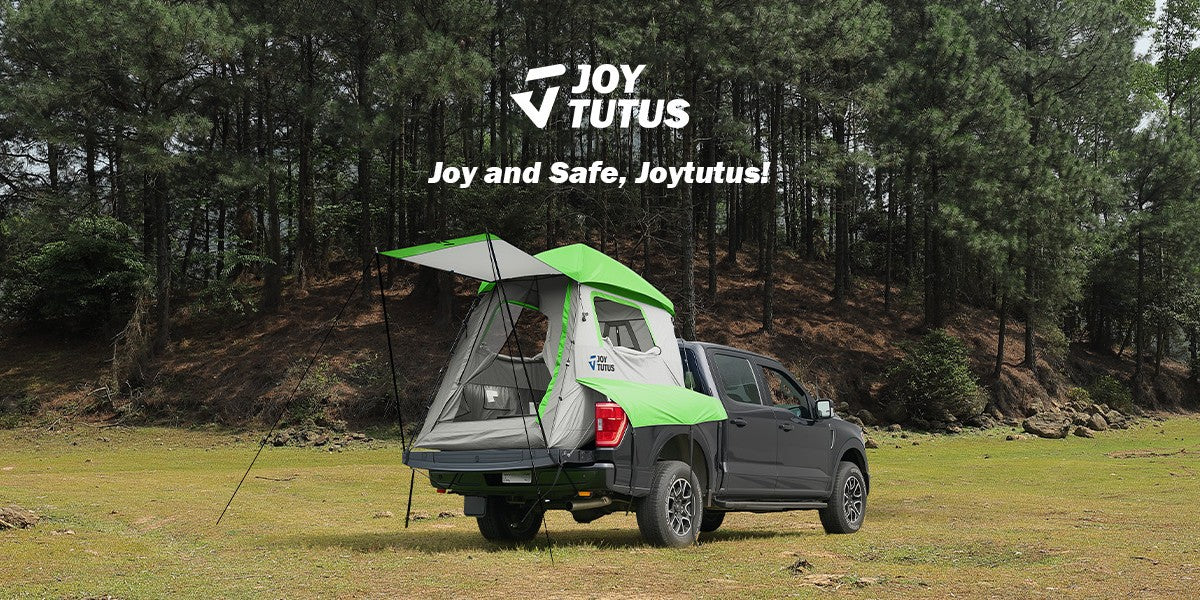
Truck tent camping is one of the easiest ways to start sleeping outside. You already own a flat, raised bed. A truck bed tent turns it into a dry place to sleep, with no rocks under your back and no search for level ground.
The timing is good, too. More and more people are trying camping, and many want a simple setup that does not cost as much as a camper.
If you are planning a first trip with a truck camping tent, you probably want to know what to buy, how it fits, how to set it up, and what to pack. This guide covers each of those.
In this guide, you will learn:
- How truck tent camping works and who it suits
- How truck bed tents compare with campers, shells, and rooftop tents
- How to measure your bed so the tent fits
- A step-by-step setup you can follow at the campsite
- A simple gear list for sleeping, cooking, and safety
- Weather and safety tips for your first few trips
Why Truck Tent Camping Works for Beginners
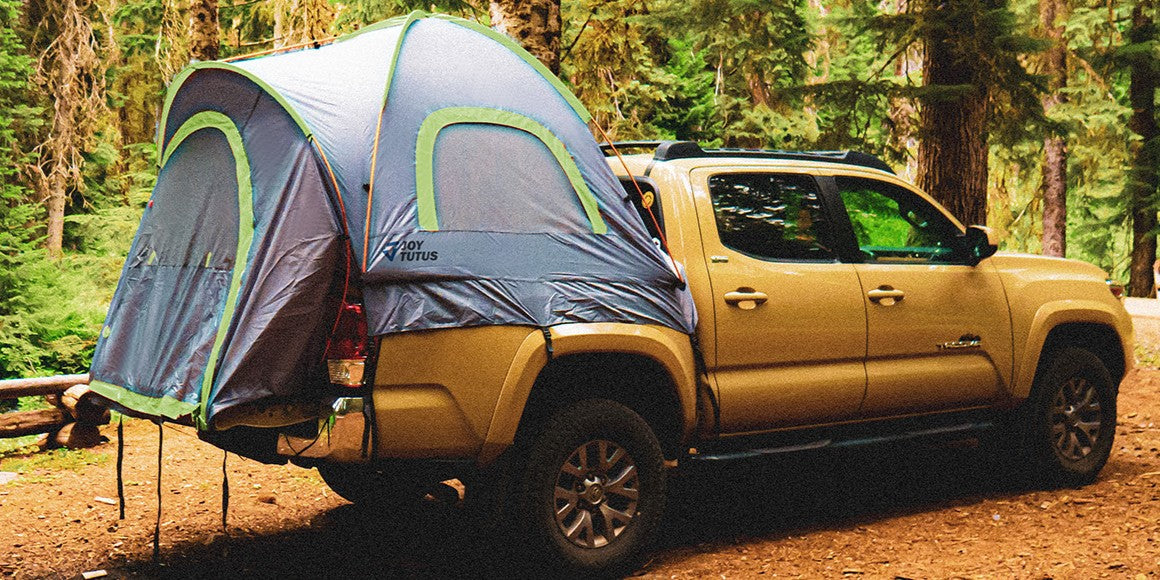
A truck bed tent sits inside your cargo bed and anchors to it with straps or hooks. Here is what that gives you, and what it costs you.
You sleep on a flat, raised surface. That means fewer bugs and critters bother you, and you don't have to laboriously pick rocks and roots out of the ground. Since the tent is in your truck, you can camp just about anywhere you can park, which is a big help at small or crowded sites. It is also a lot cheaper than a slide-in camper or camper shell.
There are trade-offs. You usually have to empty the bed before you set up. You also have to take the tent down before you drive anywhere, so it suits a base camp better than a trip where you move every day. And like any tent, it does not insulate against very hot or very cold weather.
Choosing Truck Tents for Camping
Truck tents for camping come in several styles, and the right one depends on your bed, budget, and how you camp. Start by comparing the main ways to sleep in or on a truck.
Truck Bed Tents for Camping vs. Other Setups
Truck bed tents for camping are the lowest-cost way to get off the ground. This table shows how they compare with other common setups.
|
Setup |
Cost |
Weather protection |
Main drawback |
|
Truck bed tent |
Lowest |
Good with a rainfly |
Must be taken down to drive |
|
Camper shell |
Medium |
Better, but may need weatherproofing |
Hard to remove for daily use |
|
Rooftop tent |
Medium to high |
Good |
Needs a strong rack and adds height |
|
Slide-in camper |
Highest |
Best |
High cost and heavy |
A new camper shell can cost $1,500 to $2,000 on average, according to industrial data, so a bed tent is a much lighter first step. If you are weighing it against a camper, read our guide on whether a truck bed tent can replace a camper. If a rooftop tent is on your list, our truck bed tent vs. rooftop tent comparison explains the difference.
Types of Truck Bed Camping Tents
Most truck bed camping tents differ in how they go up and how much weather they handle. Our full guide to the types of truck tent goes deeper, but here are the main styles:
- Classic pole tents use fiberglass or aluminum poles and are usually the lightest on cost. The waterproof double layer model is one example.
- Semi-automatic tents shorten setup time. See the semi-automatic truck bed tent with awning.
- Inflatable tents replace poles with air beams, like this inflatable truck bed tent.
- Tents with awnings give you shade or a dry spot to stand, such as the removable awning aluminum rod tent.
You can browse all six styles in the Joytutus truck tent collection.
How to Measure for a Truck Bed Camper Tent
A truck bed camper tent only works if it matches your bed length. Fit depends on the bed, not the truck badge.
For Joytutus tents, close the tailgate and measure along the bed floor, from the inside of the wall behind the cab to the inside of the tailgate. Round to the nearest half foot, such as 5.5 ft or 6.5 ft. Joytutus tents cover beds from about 5.0 to 6.7 ft, so a short bed Toyota Tacoma (about 5 ft) needs a different size than a 6.5 ft Ford F-150 bed.

Other brands may measure differently, some with the tailgate down. Always follow the size chart for the exact tent you buy. Check the product page size guide for your Tacoma, Tundra, Colorado, Ranger, Silverado, Ram 1500, or Sierra before you order. If you want help comparing features, our guide to how to choose a pickup truck tent walks through the decision.
How to Set Up Your Truck Bed Camping Tent
A good truck bed camping tent goes up quickly, but the site matters as much as the tent. Start with the spot, then follow the steps.
Pick the Right Campsite
Level ground is the biggest factor. Even a slight slope is easy to feel when you lie in a truck bed, so park with the bed as flat as you can. Pick a spot that is clear of low branches and dead trees, and think about wind direction before you park.
Setup Steps
Try this once in your driveway before your first trip. It makes the real thing much easier.
- Unload the bed and sweep out sharp or wet debris.
- Park on level ground and set the parking brake.
- Lay the tent in the bed and spread it out, with the door area facing the tailgate.
- Raise the poles, or inflate the tent, following the instructions for your model.
- Secure the straps or hooks to the bed anchors and pull them snug.
- Add the rainfly, awning, or guy lines if your tent has them.
- Place your truck mattress and bedding inside, and keep a flashlight within reach.
Truck Camping Tent Gear List
Your truck camping tent is only part of the setup. Pack by category so you can find things in the dark.
Sleep and comfort
- A truck mattress made for your bed shape, since wheel wells reduce usable width (browse truck mattresses)
- A sleeping bag rated for the lowest expected night temperature
- A pillow and an extra blanket
- A small fan for hot nights
Kitchen and camp
- A two-burner propane stove and fuel
- A cooler or small fridge
- A pot, a pan, plates, and utensils
- Water containers and a water filter
- Trash bags, because you pack out what you bring
Safety and truck gear
- A first aid kit and any personal medicines
- A headlamp and spare batteries
- A tire repair kit, a portable jump starter, and a basic tool kit
- Traction boards if you will drive on sand, mud, or snow
- A fire extinguisher you can reach quickly
Truck Camp Tent Tips for Safer Trips
A truck camp tent is simple, but a few habits make your trip safer and more comfortable. These tips come up again and again for new campers.
- Never run the engine while you sleep.
- Stay within your payload. Subtract your truck’s curb weight from its gross vehicle weight rating to find it, and do not overload.
- Check the forecast. Truck tents handle rain better with a rainfly, but high wind, lightning, and extreme heat or cold are good reasons to move or go home.
- Keep cooking outside the tent. Stoves and flames do not belong inside any tent.
- Ventilate. Open vents or windows slightly to reduce condensation.
- Protect your privacy. Avoid posting your exact location until you have left.
- Leave no trace. Pack out all trash and keep your campsite small.

Conclusion
Truck tent camping offers an economical and stress-free way to begin your camping plan. It relies on your own truck bed, keeps you off the ground, and can be quickly assembled when you know how to set them up. Measure your bed properly, choose a tent that fits your weather and setup style, and pack a short, organized gear list.
Start with one easy overnight trip close to home. You will quickly learn what to bring and what to leave behind. When you’re ready to shop, Joytutus’ truck tent series offers bed options ranging from 5.0 to 6.7 ft, and you can also find more truck and camping gear at Joytutus. Safe travels, and enjoy the night sky.
FAQs
Q1: Can I use a truck bed tent with a tonneau cover or camper shell?
Usually not at the same time. Most bed tents need an open cargo bed, so you remove the cover or shell first. Check your tent’s manual for details.
Q2: How many people fit in a truck bed tent?
Most truck tents sleep two to three adults at most, and many Joytutus models are listed as two-person tents. Your bed size and mattress will set the real limit.
Q3: Can I drive with the tent still set up?
No. Take the tent down before you drive. A tent left up can catch wind, damage the poles, and create a safety risk.
Q4: Will a truck bed tent keep me dry in the rain?
Many models do well in light to moderate rain, especially with a waterproof rating and a rainfly. In heavy storms or strong wind, it is safer to pack up and move.
Q5: Do I need a truck mattress?
You do not need one, but most campers add one. A mattress shaped for the bed fits around the wheel wells and makes sleeping far more comfortable.


Leave a comment
All comments are moderated before being published.
This site is protected by hCaptcha and the hCaptcha Privacy Policy and Terms of Service apply.