

The 4Runner has long been a favorite for people who like to camp far from the pavement. The newest generation sits on Toyota’s TNGA-F platform, with a 2.4-liter turbo engine making 278 horsepower and a hybrid version making 326. More owners are now asking which 4Runner tent suits this rig best. Forum threads also show real confusion about how much weight the new roof can carry, so the choice matters. Whether you want a 4Runner roof top tent for quick setup or a ground tent for more room, this guide keeps things simple. It covers tent types, roof limits, and how to match a tent to your trips and budget.
What you will learn:
- How a 4Runner rooftop tent compares with a ground-based SUV tent
- The difference between soft shell and hard shell designs
- Why roof load limits come before any purchase
- How group size, weather, and budget shape your choice
- Which Joytutus tents are worth a look
Why a 4Runner Roof Top Tent Appeals to So Many Owners
A roof tent turns your SUV into a camp that is ready in minutes. Owners usually choose one for a few clear reasons.
- Sleeping off the ground keeps you away from mud, puddles, and uneven spots.
- Setup is often faster than staking out a ground tent.
- The tent stays on the roof, so your cargo area is free for gear and a cooler.
- You can camp anywhere you can park, including rocky or sloped sites.
Still, a rooftop tent 4Runner setup has costs. One guide notes that handling gets harder with a tent on top, and fuel economy drops from the added weight and wind resistance. That is why the next two sections matter.
Rooftop Tent 4Runner Choices: Soft Shell vs. Hard Shell
Rooftop tents come in two main styles. Knowing the difference narrows your search quickly.
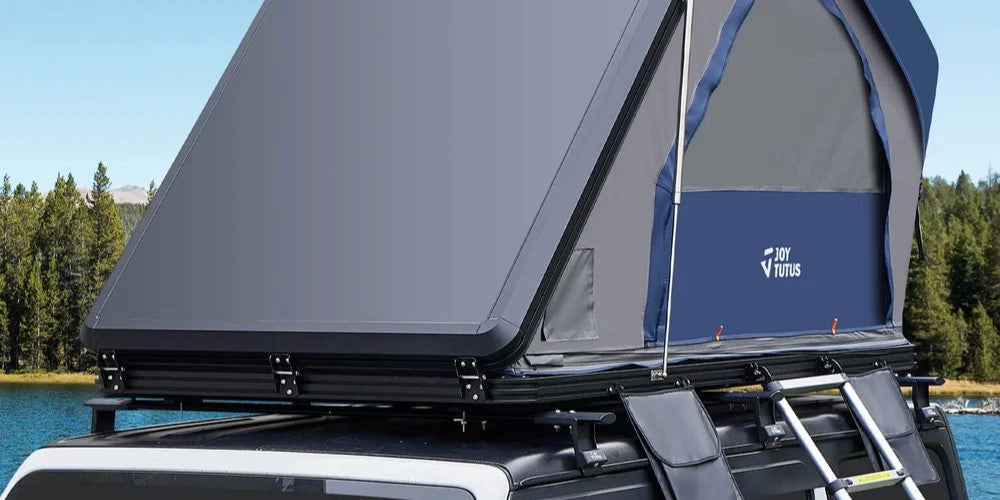
A soft shell tent unfolds like a fabric ground tent. It tends to offer the most space and a lower price, but it needs more setup and is more exposed in strong wind. A hard-shell tent has a rigid top and opens with one lift. It usually costs more, and some all-aluminum models are heavier than soft-shell tents.
|
Feature |
Soft shell |
Hard shell |
|
Price |
Usually lower |
Usually higher |
|
Setup |
More steps |
Often one lift |
|
Interior room |
More space |
Depends on the model |
|
Wind and rain |
More exposed |
Better protected |
|
Closed profile |
Taller |
Lower, less wind drag |
|
Weight |
Often lighter |
Often heavier |
For a deeper comparison, read our guide to soft shell vs. hard shell rooftop tents. If you want a 4Runner roof tent that opens fast, hard shell is the usual pick. If you want more room for less money, soft shell is hard to beat.
Check Your 4Runner Roof Tent Weight Limits First
Weight is the most important factor for any 4Runner roof tent. Two numbers matter: dynamic load and static load.
Dynamic load is what the roof carries while you drive. Static load is what it holds while parked, including the people sleeping inside. The tent, rack, and ladder together must stay under the dynamic number. Some owners of the new generation report a factory dynamic rating near 165 pounds, while others say the figure varies by source. Rack makers list their own racks at around 300 pounds dynamic and 700 pounds static, yet a strong rack does not raise the limit of the roof underneath.
Follow these steps before you buy:
- Find the dynamic and static roof ratings for your model year.
- Add up the weight of the tent, rack, ladder, and anything else on the roof.
- Compare that total with the dynamic rating.
- Check the static rating against the tent plus everyone sleeping inside.
- Look for the tent’s weight on the product page, and ask the seller if it is missing.
A 4Runner Tent on the Ground: When an SUV Tent Makes Sense
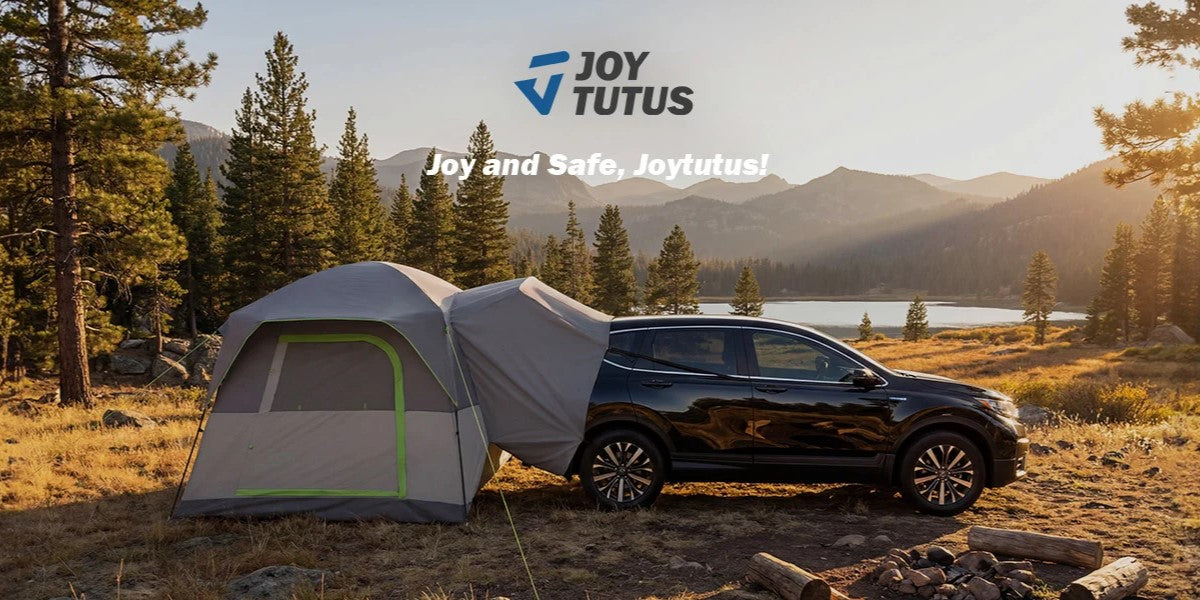
If your roof limit is tight, a tent that attaches to the back of your SUV can be a smart choice. It adds no weight to the roof.
An SUV tent connects to the hatch through a sleeve, so the cargo area becomes part of the tent and you can move between the tent and vehicle without going outside. That makes it a practical 4Runner tent for families who need extra floor space for sleeping, storage, or lounging. These tents also cost much less than most roof tents.
The trade-off is mobility. You detach the tent before you drive, so moving camp takes longer than closing a roof tent. Sleeve fit also varies by vehicle, so check the sizing details on the product page. To learn more, see our guides to SUV tents and the best SUV tent.
How to Choose the Right 4Runner Rooftop Tent
Three questions narrow the field fast: who is sleeping, what weather you face, and what you can spend.
Match Your 4Runner Tent to Your Group Size
The size of your group decides how much room you need. Solo campers and couples can be happy in a compact roof tent, while families often need more floor space.
Check the sleeping area and mattress thickness, not just the “sleeps” number. If you travel with kids or a dog, a hatch tent may give you more breathing room than any roof tent.
Plan for Weather With a 4Runner Roof Tent
Weather shapes which style works best. A hard shell is better protected in wind and rain, while a soft shell often feels roomier in warm weather.
Look for a rainfly, sealed seams, mesh windows for airflow, and a condensation pad under the mattress. These small details decide whether you wake up dry and comfortable.
Set a Budget for Your 4Runner Rooftop Tent
Your budget should cover more than the tent. A rack, a ladder, an awning, and a good mattress can all add to the total.
If you camp a few times a year, a ground tent saves money. If you camp most weekends, paying more for a roof tent can make sense. You can browse awnings and 4Runner parts and accessories to plan the full setup.
Joytutus Picks for Your 4Runner Roof Top Tent Setup
Joytutus offers both a roof tent and several SUV tents. Prices below are what the store listed at the time of writing and may change.
The Overland Hard Shell Aluminum Rooftop Tent sleeps 2 to 3 people and has a trapezoid design with 30% more front space, a built-in LED strip, a 2-inch sponge mattress with a condensation pad, and a mesh star view roof. It is listed as a universal fit, not a 4Runner specific design, and it carries a 2-year limited warranty. The page does not list its weight, so confirm that against your roof rating first. If you want a roof tent 4Runner owners can pair with their own rack; it is a good starting point.
Explore the full Joytutus SUV tent collection, or read about SUV roof tents before you decide. You can also start at the Joytutus home page.
Final Thoughts on Choosing a 4Runner Tent
The right tent is the one that fits your roof, your group, and your travel style. A 4Runner roof top tent gives you fast setup and a comfortable bed off the ground, but only if the weight stays within your limits.
Start with the roof rating, then decide between soft shell and hard shell. If the numbers feel tight, a hatch tent is a simple way to keep the roof light and your costs low. Either way, a good 4Runner tent should make camping easier, not harder. Take your time, check the details, and pick the setup you will actually enjoy using.
FAQs
Q1: Can my 4Runner carry a roof top tent?
Often yes, but it depends on your model year and rack. Check the dynamic and static roof ratings in your owner’s manual and make sure the total weight stays below them.
Q2: Will a 4Runner rooftop tent hurt fuel economy?
Usually it does, because of the added weight and wind drag. A lower-profile hard shell tends to cause less drag than a tall soft shell.
Q3: What rack does a 4Runner rooftop tent setup need?
You need a rack with load ratings that cover the tent and crossbars that match the tent’s mounting hardware. Check the tent’s instructions before you buy a rack.

Leave a comment
All comments are moderated before being published.
This site is protected by hCaptcha and the hCaptcha Privacy Policy and Terms of Service apply.